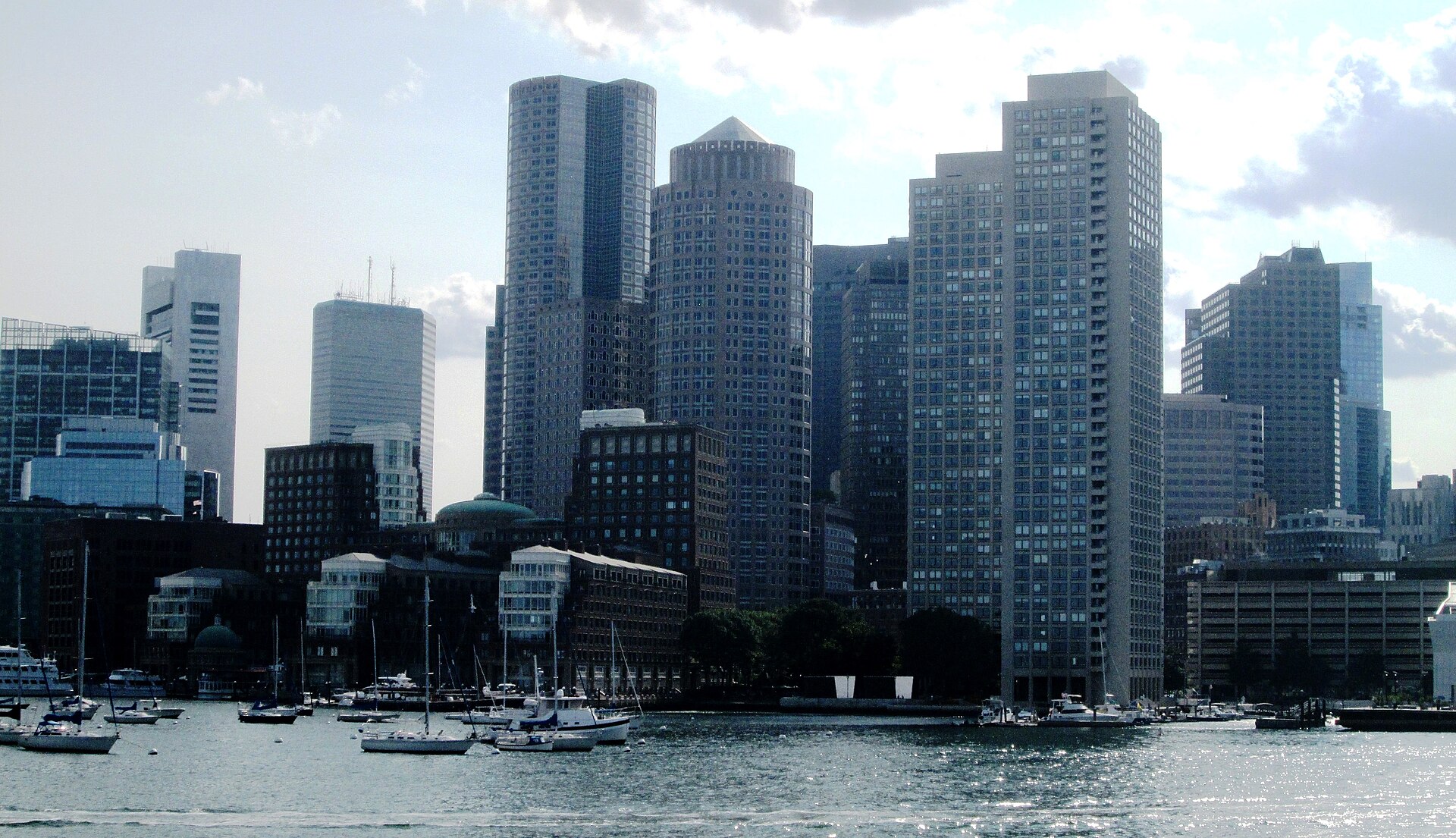
Boston is one of the best true “no-car” weekends from NYC: you arrive directly into the city core, then spend 48 hours walking between historic neighborhoods, classic parks, and waterfront views that feel nothing like Manhattan.
This itinerary is built for first-timers who want a clean city-break arc: do the Freedom Trail highlights without trying to “collect” every stop, then use Beacon Hill, the Public Garden, and the Seaport as your vibe reset.
The Experience Promise
- ✓ Walkable history. Cobblestones, brick, and “small-scale” streets that make 48 hours feel rich without long commutes.
- ✓ Harbor contrast. Parks + water + modern waterfront views (Seaport) that change the mood fast.
- ✓ No-car simplicity. Arrive by train/bus, then walk + use short transit hops when it buys real time.
Friction Check (Reality Check)
- • Train pricing: last-minute weekends can spike. Off-peak departures are the easiest win.
- • Lines are the real enemy: North End and “famous” seafood spots can burn your Saturday if you don’t time meals.
- • Weather is sharper than NYC: wind + cold can make harbor walks feel longer. Keep a rainy-day pivot.
- • Don’t over-collect: the Freedom Trail is better as “highlights” than as a checklist.
Quick summary
Arrive Friday night and stay central (Downtown/Back Bay). On Saturday, do Freedom Trail highlights in a tight loop, then reset with Beacon Hill + the Public Garden. Finish the day with a Seaport harborwalk sunset. On Sunday, do an easy Cambridge/Harvard-style morning (or go deeper on neighborhoods), then head back to NYC with a calm buffer.
Avoid if: you hate walking or only enjoy trips built around driving and “big distance” scenery.
Why this works right now
Boston rewards a “microcation” mindset: dense neighborhoods, short transfers, and a clear visual contrast to NYC. The difference-maker is timing: travel off-peak when possible, start popular zones early, and treat famous food spots as optional upgrades—not mandatory bottlenecks.
Friday Night: Arrive + Set the Tempo
Your goal is to arrive without travel fatigue. Boston is walkable, which means your weekend quality is mostly decided by whether you protect your energy Friday night.
6:00 PM — Depart NYC (train-first)
Train is the cleanest play for no-car first-timers: you arrive into a central station and skip the “airport tax.” If fares are high, pick a later/off-peak departure instead of paying a last-minute premium.
10:30 PM — Check in (Downtown / Back Bay)
Stay central for your first trip. Every mile away from Downtown turns into a tax on your Saturday morning.
11:00 PM — Late dinner (North End or nearby)
Keep it simple and walk-in friendly. The win is waking up Saturday ready to walk—not recovering from a complicated dinner mission.
Saturday: Freedom Trail Highlights + Beacon Hill + Seaport Views
Saturday is a “three-act” day: (1) iconic history while your legs are fresh, (2) neighborhood texture, (3) harbor contrast at golden hour.
9:00 AM — Freedom Trail highlights (don’t over-collect)
Use the Freedom Trail as a storyline, not a checklist. Pick the highlights that give you the feeling of Boston: brick, steeples, narrow streets, and human-scale squares.
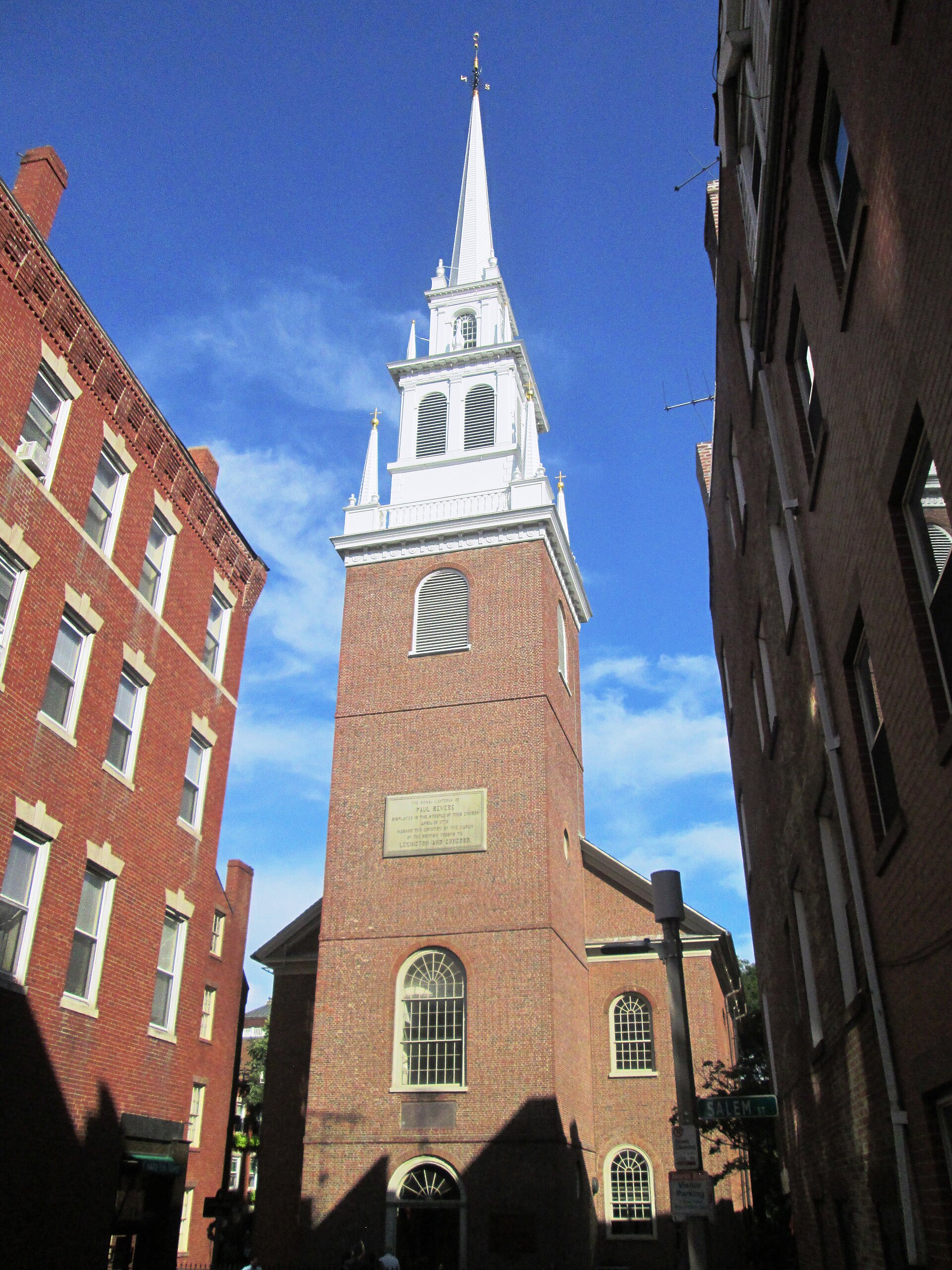
12:30 PM — Faneuil Hall area (quick lunch strategy)
This area is iconic but can be crowded. Treat it like a quick lunch + people-watching stop, then move on. If you want “famous” seafood, time it off-peak or pick a Plan B that won’t steal two hours of your day.
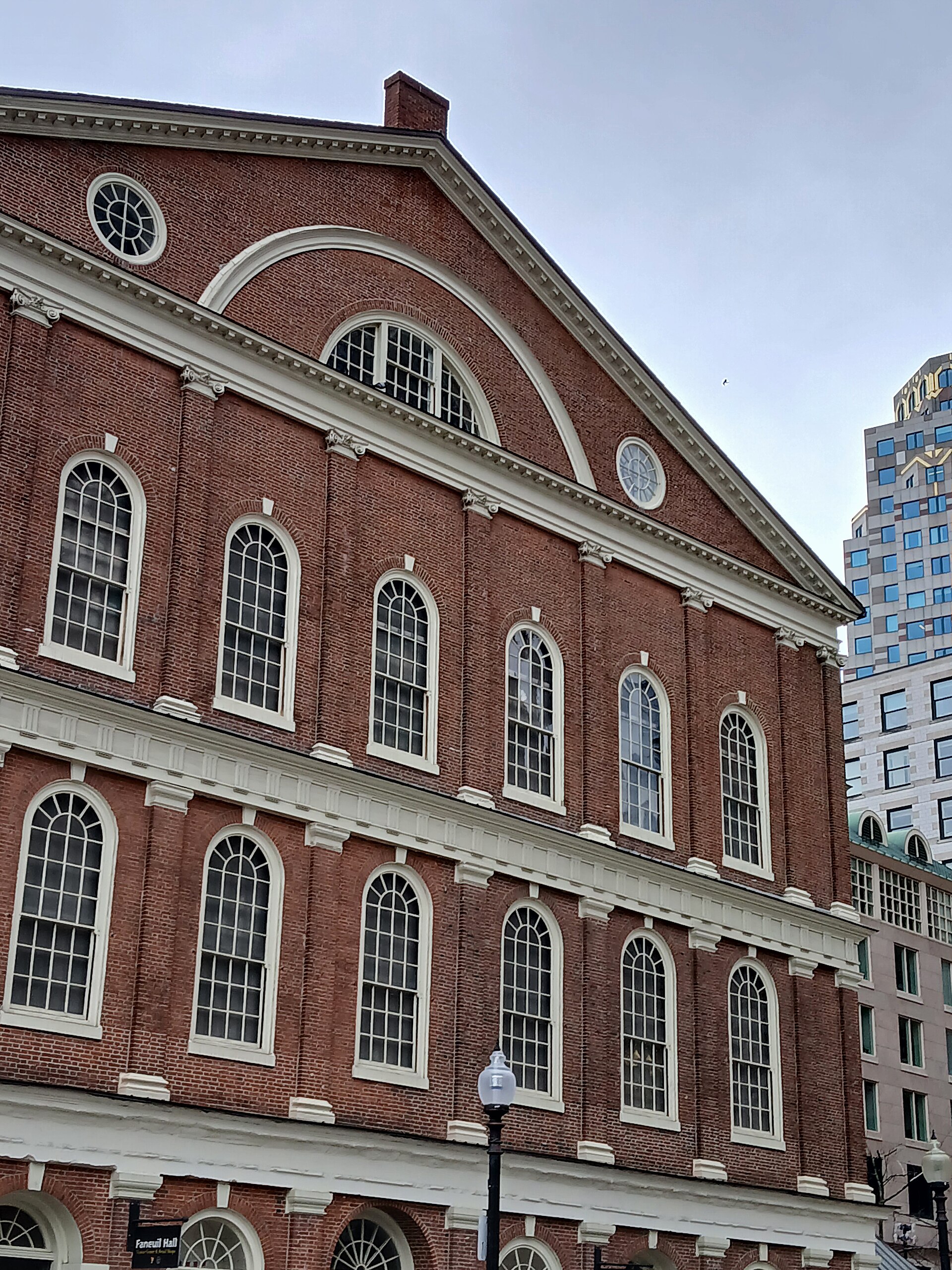
2:30 PM — Beacon Hill + Acorn Street (texture moment)
Beacon Hill is Boston’s “small-scale charm” in one concentrated zone. Keep your pace slow here; it’s not about distance, it’s about atmosphere.
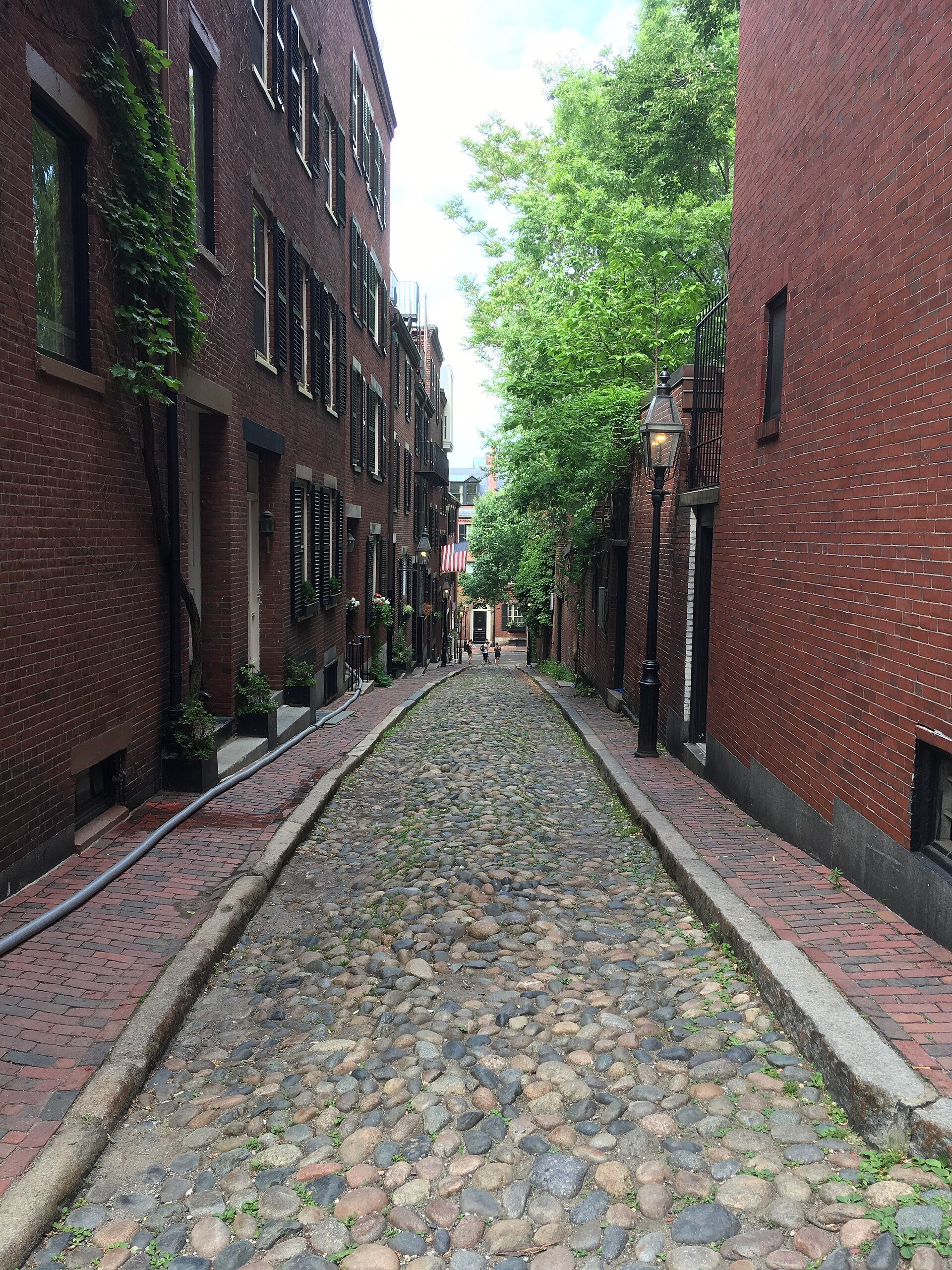
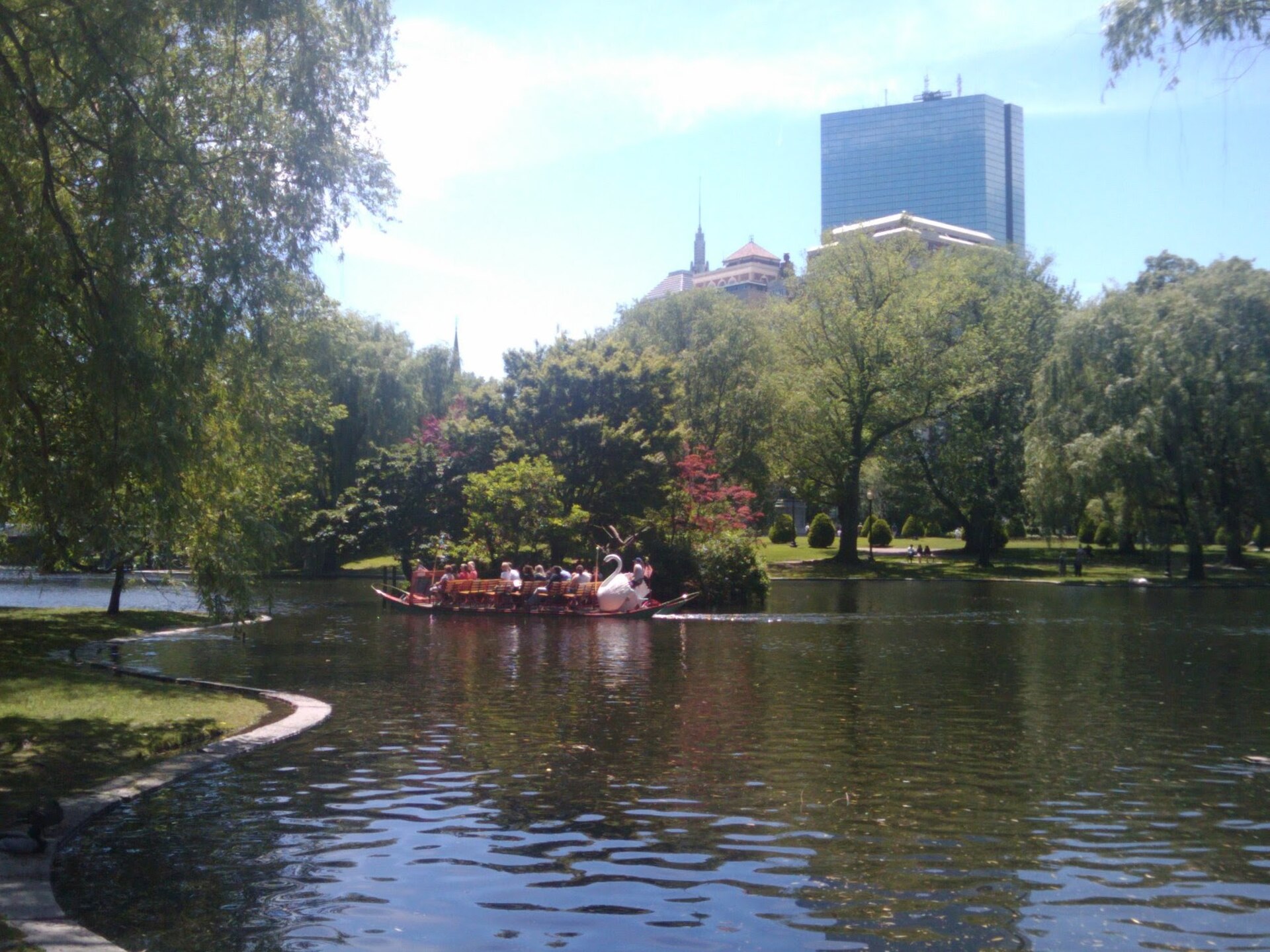
4:00 PM — Public Garden reset (low-effort, high payoff)
The Public Garden is a perfect “do nothing but feel good” stop. It’s the fastest way to make the trip feel like a vacation instead of a walking tour.
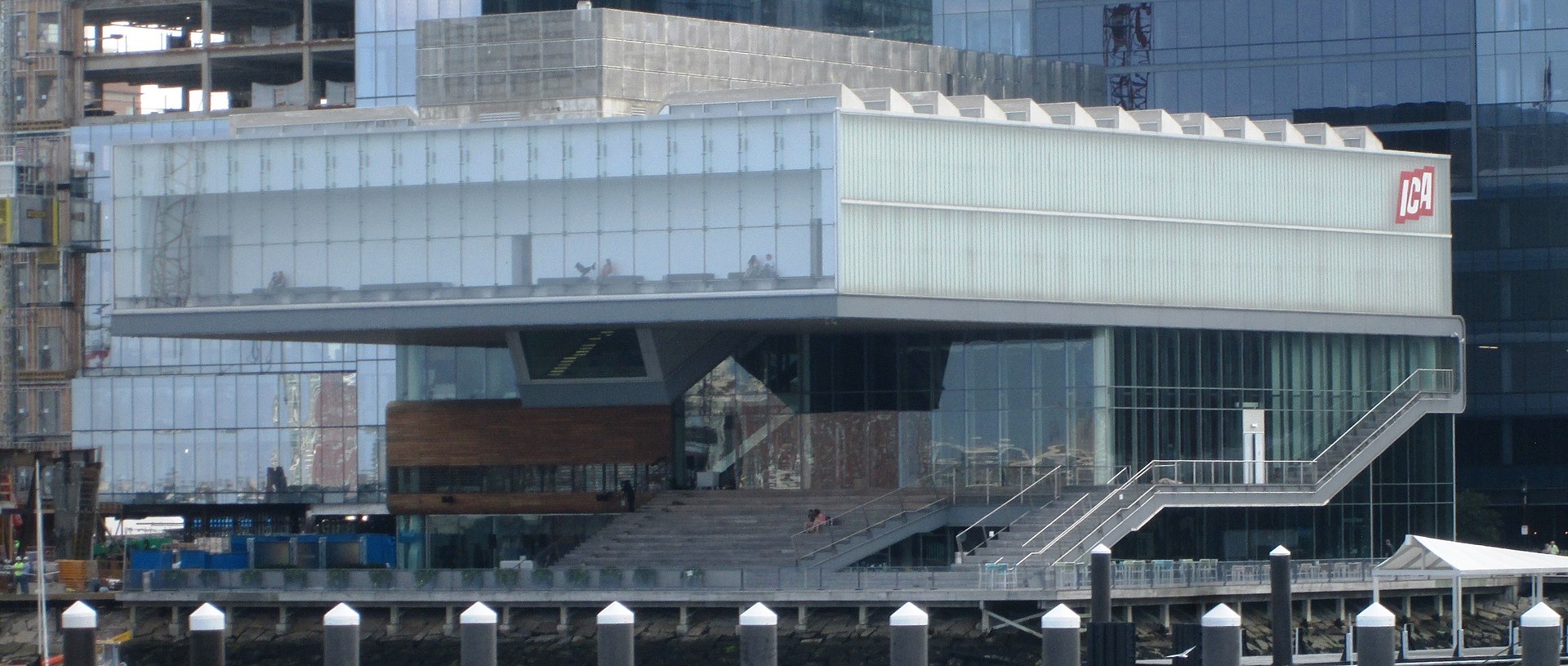
5:30 PM — Seaport Harborwalk + ICA views
Finish Saturday with harbor air. The Seaport gives you modern Boston: glass, water, and big-sky views that contrast nicely with the North End/Beacon Hill scale.
8:00 PM — Dinner (Plan A + Plan B)
Saturday dinner is where Boston can become “high friction.” If you’re chasing a famous spot, book or go early. Otherwise, pick a reliable neighborhood meal and spend your time on the harborwalk instead of in a line.
Sunday: Cambridge Morning + Low-Stress Return
Sunday is about a clean ending. You want one more “Boston feeling” neighborhood, then a calm buffer for travel.
9:30 AM — Coffee + a simple neighborhood loop
If it’s your first trip, Cambridge/Harvard Square is a great Sunday move: compact, walkable, and different enough from Downtown to feel like a bonus chapter. If the weather is rough, keep it local and go deeper on Back Bay/Newbury-style strolling instead.
12:30 PM — Easy lunch (close to your departure)
Keep it close. The main Sunday mistake is a long detour that turns your return into a sprint.
3:30 PM — Head back to NYC
Aim for a calm buffer at your departure point. A “microcation” should end the same way it starts: low friction.
Where to Stay
Downtown / Back Bay
Central, walkable, and efficient. You’ll spend less time transferring and more time enjoying the city.
Check availability →Seaport
Modern waterfront energy and sunset walks. Slightly less “old Boston,” but great for a two-night reset.
Check availability →Frequently Asked Questions
Is 48 hours enough for Boston?
Yes. Boston’s core neighborhoods are compact. The key is avoiding long meal lines and treating the Freedom Trail as “highlights,” not a scavenger hunt.
Do I need a car in Boston for a weekend?
No. For first-timers, no-car is often better: Boston is walkable, parking is expensive, and the street layout can be confusing for short stays.
How do I avoid wasting time on “famous” food lines?
Eat off-peak, use bar seating, and always carry a Plan B. In a 48-hour weekend, a two-hour line is usually a bad trade unless it’s your single “big splurge.”